Source Removable Bottom Baking Cake Pan for Cheesecakes, Puddings, and Small Cakes
Find 30 options for the removable bottom baking cake pan, including carbon steel and silicone models. Compare specifications like size, material, and certifications to select the right bakeware for your business needs; compare the available evidence and request quotations based on your requirements.
Key considerations
Products List








Comprehensive Sourcing Guide
Removable Bottom Baking Cake Pan Sourcing Guide
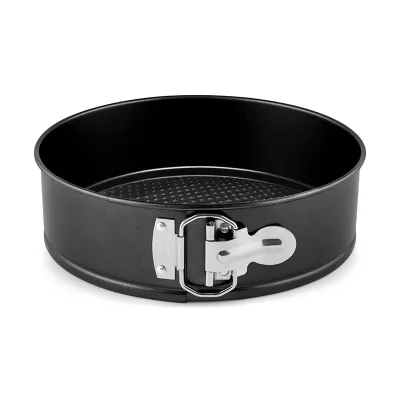
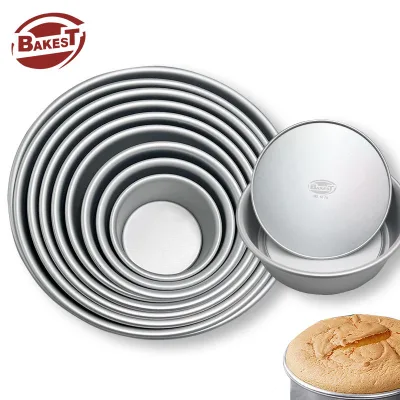
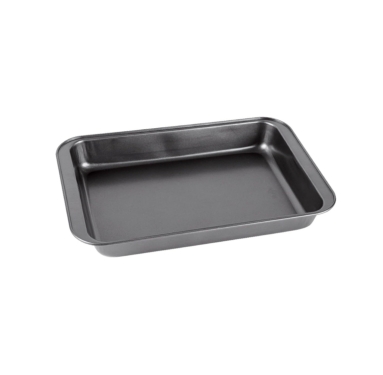
The removable bottom baking cake pan is a specialized bakeware tool designed to facilitate the easy release of delicate cakes, cheesecakes, and puddings without damaging their structure. Based on observed market listings, these units are frequently categorized under cake molds or baking pans, with specific models like the TSH-CT-02 and KL-18-J-26cm indicating distinct dimensional profiles. Buyers should note that while some listings describe the product as a general baking pan, others specify it as a cake mold intended for making various flavors of small cakes or puddings, requiring precise verification of the intended use case before bulk ordering.
Procurement decisions must account for the diverse material compositions found in current listings, ranging from carbon steel to silicone, each offering different thermal properties and durability profiles. The observed product attributes include features such as being disposable, eco-friendly, or reusable, which directly impacts the operational strategy for bakeries or retail packaging. Sourcing teams must align the material selection with their specific production needs, ensuring that the chosen variant, whether a rectangular shape or a general disk type, matches the required baking temperature and release mechanism for optimal results.
Product Scope and Observed Listing Signals
Current market data reveals a wide variance in product dimensions, with observed specifications ranging from compact 126.52cm units to larger 26cm diameter molds. Buyers must carefully cross-reference the listed prod_standard values, such as 18187.5cm or 25135.5cm, against their actual production requirements to avoid sizing mismatches. The observed price range of 0.32 to 89 USD suggests significant differentiation based on material quality, brand reputation, and packaging complexity, necessitating a clear definition of budget constraints before engaging with suppliers.
Packaging and branding signals also vary significantly across listings, with some products arriving in cardboard boxes while others are packed in generic boxes or sold as single items. The presence of customization options, such as accepting a customized logo or offering specific colors like blue or white, indicates that many suppliers are prepared to support private label strategies. However, the attribute "as shown in the picture" for color and standard implies that visual verification is critical, as the actual product may differ from the digital representation if specific customization is not explicitly confirmed in the contract.
Technical Specifications to Verify
Dimensional accuracy is paramount when sourcing these pans, as the internal volume and height directly influence baking time and final product shape. Buyers should verify the exact model numbers, such as CC-P029 or QH611, to ensure the listed standard dimensions like 33.526.52.8cm or 19.1*6.4cm match the physical tool. It is essential to confirm whether the removable bottom mechanism is integrated into the design, as this feature is critical for the intended purpose of releasing delicate cakes without breakage, a function that may not be present in all general baking pans.
Material composition and weight are equally critical technical factors that determine the pan's longevity and heat distribution capabilities. While some listings specify carbon steel construction, others indicate silicone materials, which offer flexibility but may have different thermal conductivity. The observed weight of 10.5OZ for certain models provides a baseline for density, but buyers must request detailed material specifications to ensure the product meets the thermal stress requirements of their specific baking processes. Additionally, the single gross weight of 0.300 kg for some items highlights the need to calculate shipping costs accurately based on the actual unit weight rather than estimated figures.
Compliance and Safety Documentation
Food safety certifications are non-negotiable for bakeware intended for commercial or retail use, and buyers must verify the presence of recognized standards such as FDA and LFGB. These certifications ensure that the materials used, whether silicone or metal, do not leach harmful substances into food during the baking process. The observed listing explicitly mentions these certifications for certain models, but this status cannot be assumed for all products in the category without direct confirmation from the supplier. Procurement teams should request valid test reports to validate these claims before finalizing any purchase agreement.
Beyond material safety, the structural integrity of the removable bottom mechanism must be verified to prevent failure during high-temperature baking. While some products are marketed as eco-friendly or disposable, others are designed for long-term reuse, requiring robust construction to withstand repeated thermal cycling. Buyers should inquire about the specific testing protocols used to validate the durability of the locking mechanism and the non-stick properties of the surface. Ensuring that the product meets the intended usage standards, such as those for bakeware, is essential to maintain brand reputation and consumer safety.
Cost Drivers and Commercial Terms
The minimum order quantity (MOQ) is a primary cost driver, with observed ranges spanning from 1 piece to 2000 pieces, significantly impacting the unit economics for different buyers. High-volume orders, such as those requiring 2000 pieces, often benefit from lower per-unit costs but require substantial upfront capital and storage capacity. Conversely, low MOQ options allow for smaller batch testing but may result in higher unit prices and less favorable shipping terms. Buyers must balance their inventory needs with cash flow constraints to determine the optimal order size that maximizes cost efficiency.
Packaging and customization options also influence the final landed cost, as adding a customized logo or specific packaging like a branded box incurs additional setup and production fees. The observed listing indicates that customization is available, but the cost implications vary based on the complexity of the design and the volume ordered. Additionally, the origin of the product, with listings from Guangdong and Zhejiang, China, affects shipping logistics and potential tariffs. Buyers should request a detailed breakdown of costs, including material, labor, packaging, and logistics, to understand the true cost drivers and negotiate effectively.
Supplier Qualification and Quality Control
Supplier location and sales region data provide initial insights into their market focus and logistical capabilities, with many manufacturers based in Guangdong and Zhejiang targeting Europe, South America, and Southeast Asia. Buyers should verify the supplier's experience in exporting to their specific target markets, as familiarity with regional standards and logistics can streamline the procurement process. The presence of a main sales region list suggests an established distribution network, but direct communication is necessary to confirm their ability to meet specific delivery timelines and quality expectations.
Quality control protocols must be rigorously defined to ensure consistency across the production batch, particularly for products with complex features like removable bottoms. Buyers should request a detailed quality assurance plan that includes in-process inspections and final random sampling based on accepted standards. The observation of specific product models and standards indicates that suppliers have defined specifications, but these must be validated through physical samples before mass production. Establishing a clear communication channel for quality feedback is essential to address any deviations promptly and maintain product integrity.
Long-Term Procurement Checks
Sustainability and material longevity are critical considerations for long-term procurement strategies, especially given the observed attributes of eco-friendly and reusable options. Buyers should assess the lifecycle of the product to ensure it aligns with their corporate sustainability goals and operational efficiency requirements. The distinction between disposable and reusable products impacts waste management and long-term costs, making it essential to evaluate the total cost of ownership rather than just the initial purchase price. Regular reviews of material performance and supplier reliability will help maintain a sustainable supply chain.
Continuous monitoring of market trends and supplier performance is necessary to adapt to changing consumer preferences and regulatory requirements. Buyers should establish a periodic review process to evaluate the performance of the current supplier against key metrics such as delivery reliability, defect rates, and cost competitiveness. The dynamic nature of the bakeware market, with new models and materials emerging, requires a proactive approach to sourcing to ensure the continued availability of high-quality products. Maintaining a diversified supplier base can mitigate risks and provide flexibility in responding to market fluctuations.
FAQs
What materials are used for removable bottom baking cake pans?
Removable bottom baking cake pans are typically crafted from carbon steel or silicone. Carbon steel options provide durability and even heat distribution for professional results. Silicone variants offer flexibility and non-stick properties. These materials ensure the pans are food safe and suitable for various baking needs, including cheesecakes and small cakes.
Can I customize the logo on these baking pans?
Yes, customized logos are available for many removable bottom baking cake pans. Buyers can request specific branding to enhance product identity. This customization service allows businesses to create unique packaging or direct branding on the tools. It is ideal for private label projects or corporate gifting in the baking industry.
What certifications do these cake molds have?
These cake molds often hold FDA and LFGB certifications. These standards ensure the materials are safe for direct food contact. Compliance with these regulations is crucial for exporting to strict markets like Europe and North America. Buyers should verify specific certification documents with suppliers to ensure full regulatory compliance for their target regions.
What is the typical MOQ for these baking pans?
The minimum order quantity varies by supplier and product type. Some items have an MOQ of 2000 pieces, while others may start at just one unit. Buyers should check specific product listings for exact MOQ requirements. Lower MOQs are often available for standard stock items, whereas customized orders may require higher volumes.
Where are these baking pans primarily manufactured?
These baking pans are primarily manufactured in Guangdong and Zhejiang, China. These regions are known for strong manufacturing capabilities in bakeware and kitchen tools. Buyers can expect efficient supply chains and competitive pricing from these origins. The products are widely exported to Europe, South America, and Southeast Asia.
What sizes are available for removable bottom cake pans?
Available sizes include 18x18x7.5cm, 25x13x5.5cm, and 19.1x6.4cm. Dimensions vary based on the specific model, such as KL-18-J-26cm or CH01-12#-J-yuan. Buyers should select sizes that match their baking requirements. Standard rectangular and round shapes are common, catering to different cake and pudding production needs.